What are the Benefits of Using DISC Assessments in the Workplace?
Insights from Chris Schutte, interACT
Businesses use the DISC personality test or assessment to help hire people with the right behavioral fit for a job. DISC is also used to improve teamwork, enhance communication and develop better leaders who can keep people motivated and working at their best.
This is why millions of people use DISC every year.
To help you better understand DISC and why it is important for your organisation, we have outlined some of it’s greatest benefits below. We also guide you through some actionable strategies for applying them in the workplace.
What is the DISC Profile or Personality Test?
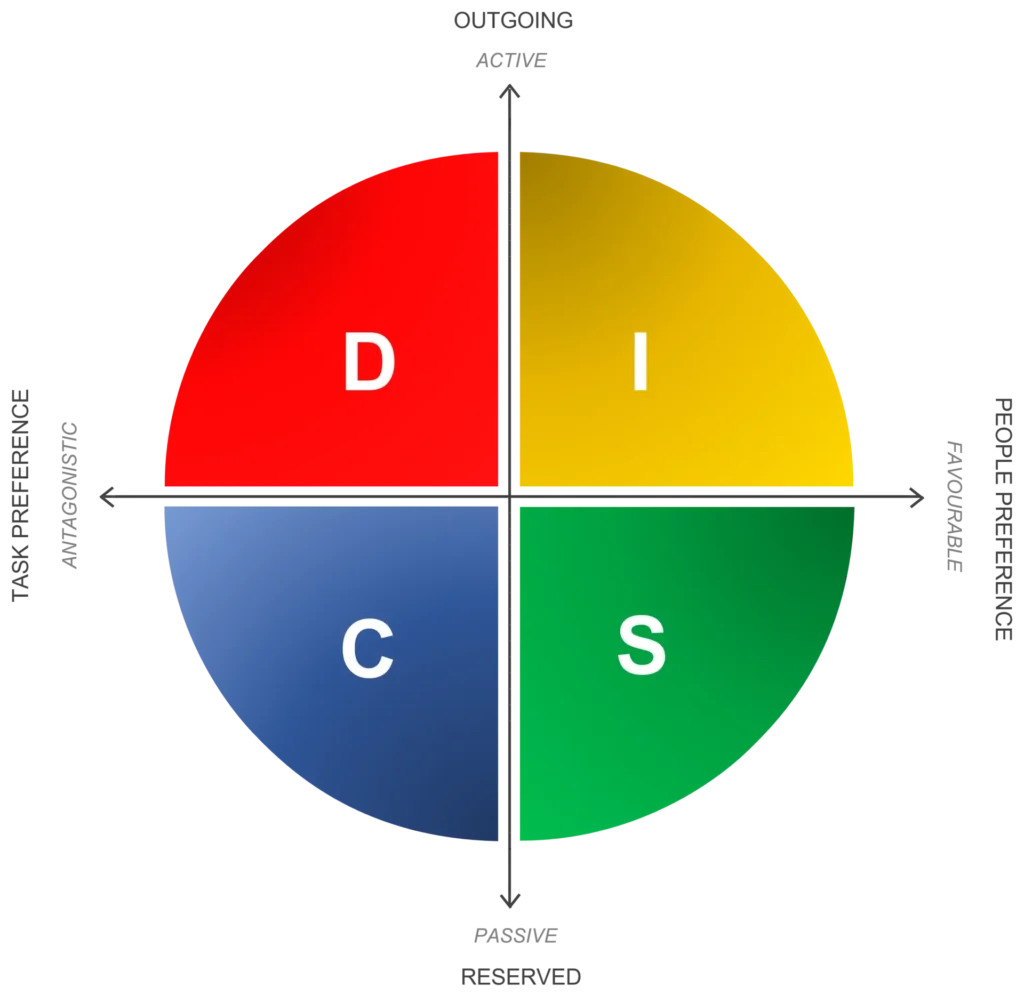
The DISC model of behavior was first proposed in 1928 by scientist William Marston. DISC is an acronym for four main personality types: Dominance, Influence, Steadiness and Compliance.
The DISC assessment is a tool commonly used to help employers better understand people’s communication styles, motivators, stressors and fears so they can manage them more effectively and fit candidates with the right jobs.
So, what is the difference between the DISC personality types or styles?
Dominance
People measuring high in Dominance are focused on challenging goals. They are direct and assertive and great people to get things done. They have a fear of failure and can struggle to get the details right unless necessary to win a specific outcome.
Influence
People measuring high in Influence are people focused and tend to be very social. They are highly communicative, energetic and optimistic. They fear rejection and can struggle in jobs requiring routine and repetitive work.
Steadiness
People measuring high in Steadiness are reliable, patient workers. They are great at routine and repetitive work, although can struggle to abide by strict deadlines and prefer to work at their own pace.
Compliance
People Measuring high in Compliance are detail-oriented rule followers. They can be perfectionists and may struggle to see the bigger picture. Their preferred communicative style is in writing.
The Benefits of Using DISC Assessments
Using the DISC behavioral assessment tool in the workplace has a lot of benefits, which can help you to improve employees’ productivity, engagement and retention in the long run.
DISC provides answers to questions like:
How do you respond to conflict?
What keeps you motivated?
What causes you stress?
How do you approach problem-solving?
How do you make decisions?
Below we look at some of the key areas DISC helps to improve in businesses and develop people on a personal level.
How DISC Assessments Benefit Personal Growth
One of the great benefits of DISC assessments, as a personal development tool, is that they show you what your natural behaviors and communication styles are. This is like having a map of your personality, helping you understand why you do things a certain way.
Knowing this can help you get better at working with others and building better working relationships. You will be able to recognize and build upon your strengths while identifying and addressing areas for improvement, thereby propelling personal development and emotional intelligence.
It’s all about knowing yourself better, which can make your life and work more fulfilling and successful.
How DISC Assessments Benefit Your Business
One of the reasons DISC assessments are so useful for organizations, is because they help teams work better together.
By understanding the different personality styles of each team member, managers can figure out the best way to communicate and assign tasks.
This makes the team more effective and can prevent misunderstandings and conflicts. It’s also great for putting together teams, as you can match people who will work well together based on their DISC styles.
Knowing these styles also helps in training and developing employees, ensuring everyone is working in a way that suits them best. In short, DISC can make an organization run smoother, with happier, more productive teams.
Using DISC for Role Alignment and More Informed Hiring Decisions
DISC assessments are invaluable in the hiring process, helping you to select candidates with behavioral styles aligned with the specific demands of a job.
Recruiters can identify candidates who naturally fit the role’s communication style, teamwork dynamics, and work environment. This alignment ensures that new hires are not only competent but also comfortable and effective in their roles, leading to higher job satisfaction and reduced turnover.
DISC can also guide interview questions and scenarios, allowing recruiters to delve deeper into how a candidate’s behavior and preferences might manifest in real workplace situations, thereby making more informed and strategic hiring decisions.
Using DISC Assessments to Enhance Communication
By understanding the various personality traits and communication styles represented by the DISC model, team members have a common language they can use to adapt their communication to better connect with others.
For example, someone with a high dominance personality type may appreciate direct and concise communication, while someone with a more steady personality type may prefer a slower, more detailed approach.
By using the DISC assessment to identify these preferences, team members can tailor their communication to be more effective and respectful.
Additionally, understanding the DISC model can also help team members recognize and appreciate the unique strengths and perspectives that each personality type brings to the team. This not only enhances communication but also fosters a more positive and collaborative team dynamic.
Developing Stronger Leadership and Teams with DISC
Developing stronger leadership and teams with DISC can greatly improve communication, collaboration, and overall team dynamics. DISC personality profiles help managers can gain a deeper understanding of individual employees’ behavioral styles, strengths, and communication preferences.
This allows leaders to tailor their approach to better meet the needs of each individual on their team, leading to improved morale and productivity.
Understanding the different behavioral styles can also help leaders to create more cohesive and balanced teams, where each member’s strengths are utilized and valued.
Reducing Conflict with DISC Assessments
DISC assessments can play a key role in conflict resolution by providing insights into the underlying behavioral styles that often drive misunderstandings and disagreements.
By understanding each team member’s DISC profile, individuals can approach conflicts with a greater sense of empathy and tailor their communication to address the specific needs and preferences of others.
This approach not only helps in resolving conflicts more effectively but also transforms these situations into opportunities for team growth and learning.
Using DISC to Boost Team Morale, Productivity and Workplace Culture
DISC works as a great motivator for teams, improving workplace productivity and culture by fostering an environment of mutual understanding and respect.
By recognizing and valuing the diverse behavioral styles of each team member, DISC encourages more effective communication and collaboration, leading to a more harmonious and efficient workplace.
This understanding helps in assigning tasks that align with individual strengths, enhancing job satisfaction and productivity.
How to Practically Implement DISC Assessments in the Workplace: Actionable Strategies
Conduct DISC Assessments: Begin by having all team members complete a DISC assessment to understand their individual behavioral styles.
Share and Discuss Results: Organize team sessions to share and discuss DISC results, fostering an understanding of each other’s profiles.
Tailor Communication: Encourage team members to tailor their communication based on the DISC styles of their colleagues.
Team Building Activities: Implement team-building exercises that are designed around DISC profiles to enhance teamwork, collaboration and building relationships.
Conflict Resolution Training: Provide training on how to use DISC insights for effective conflict resolution and productive discussions.
Role Alignment: Review job roles and responsibilities to ensure they align with the DISC profiles of employees, maximizing their strengths.
Leadership Development: Use DISC profiles to develop personalized leadership styles that cater to the diverse needs of the team.
Incorporate in Hiring: Utilize DISC assessments during the hiring process to ensure new recruits are a good fit for the team’s dynamic.